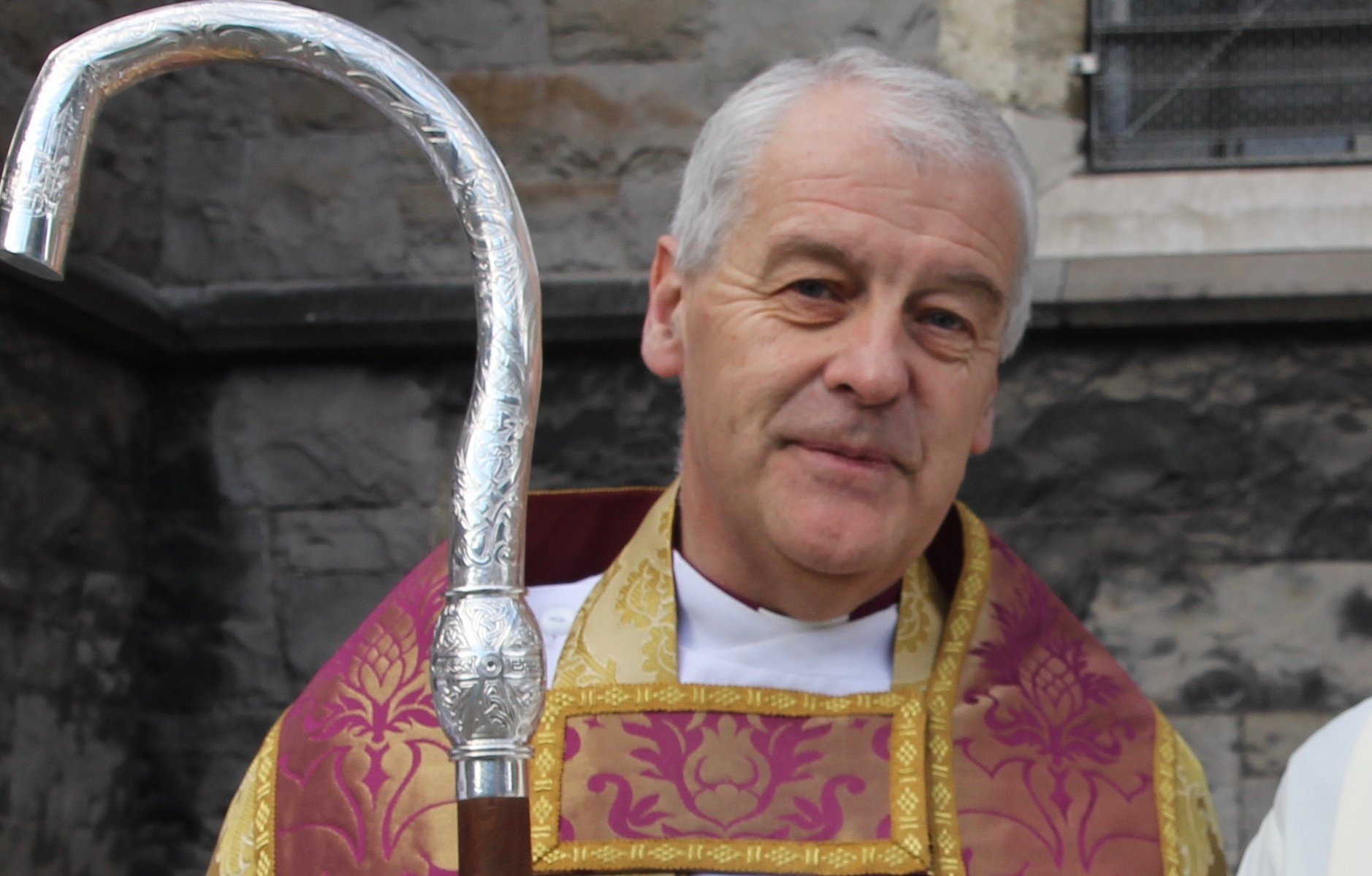
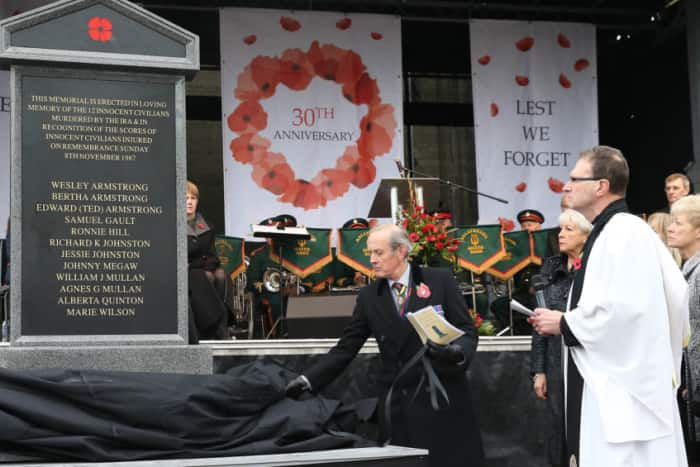
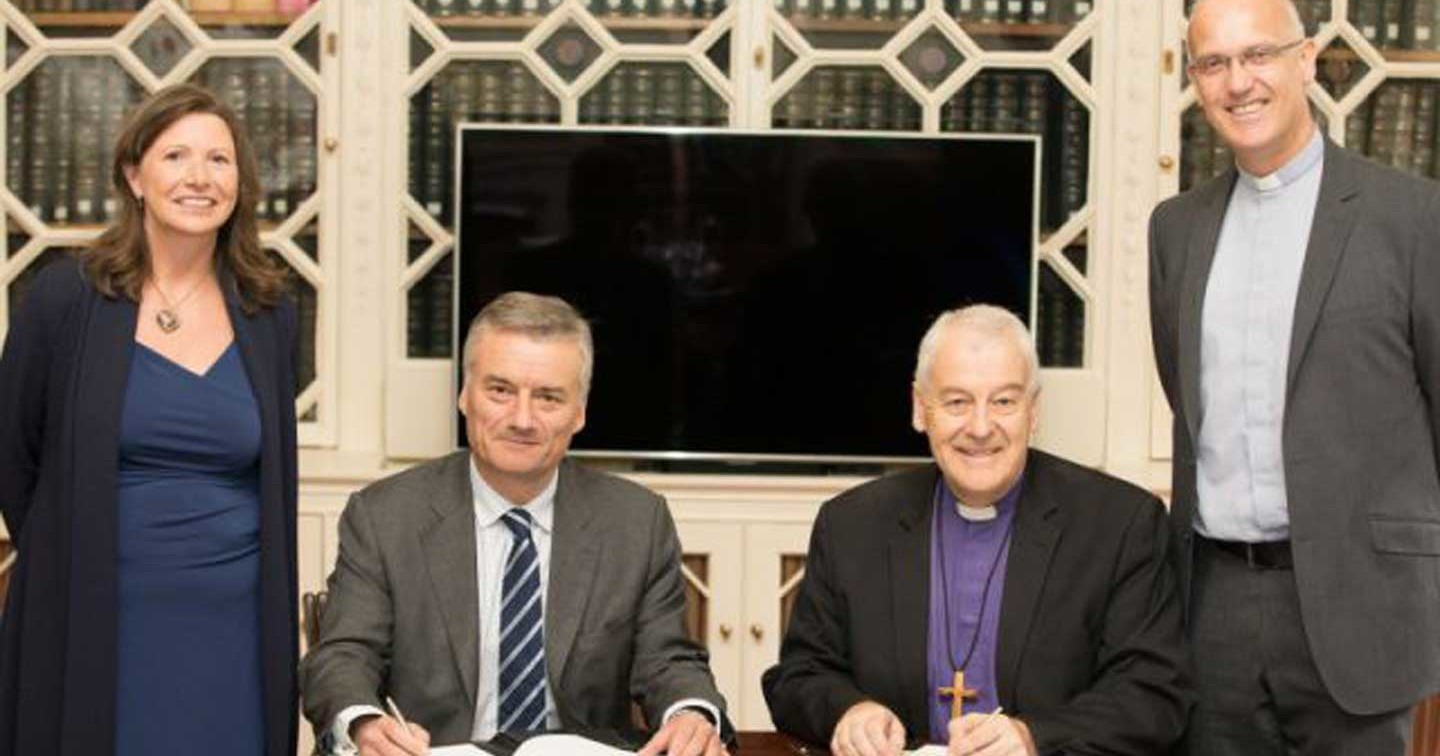
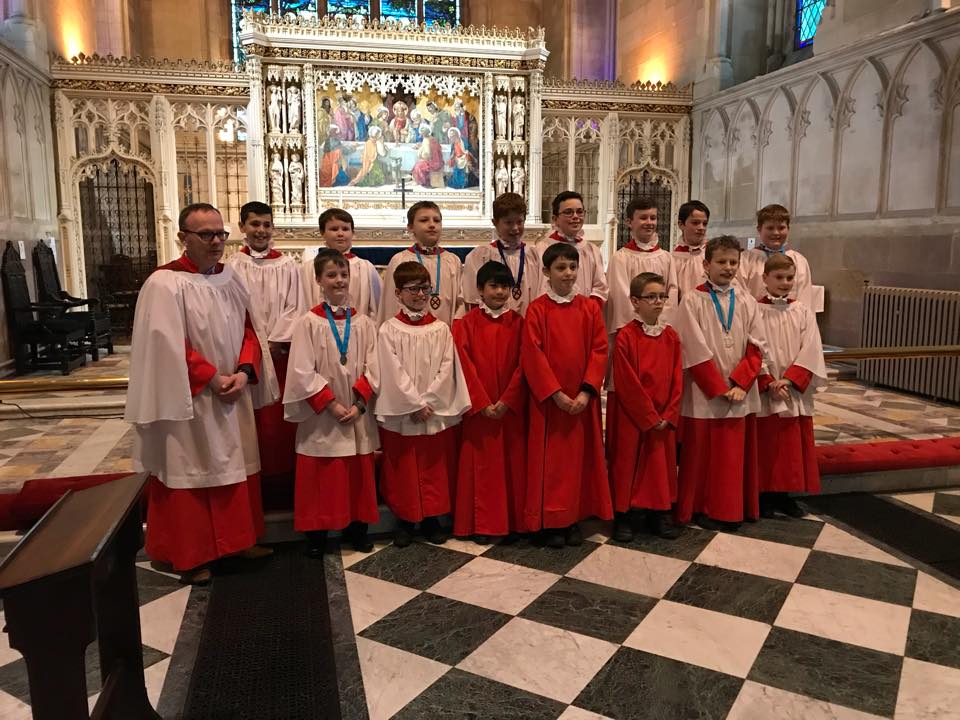
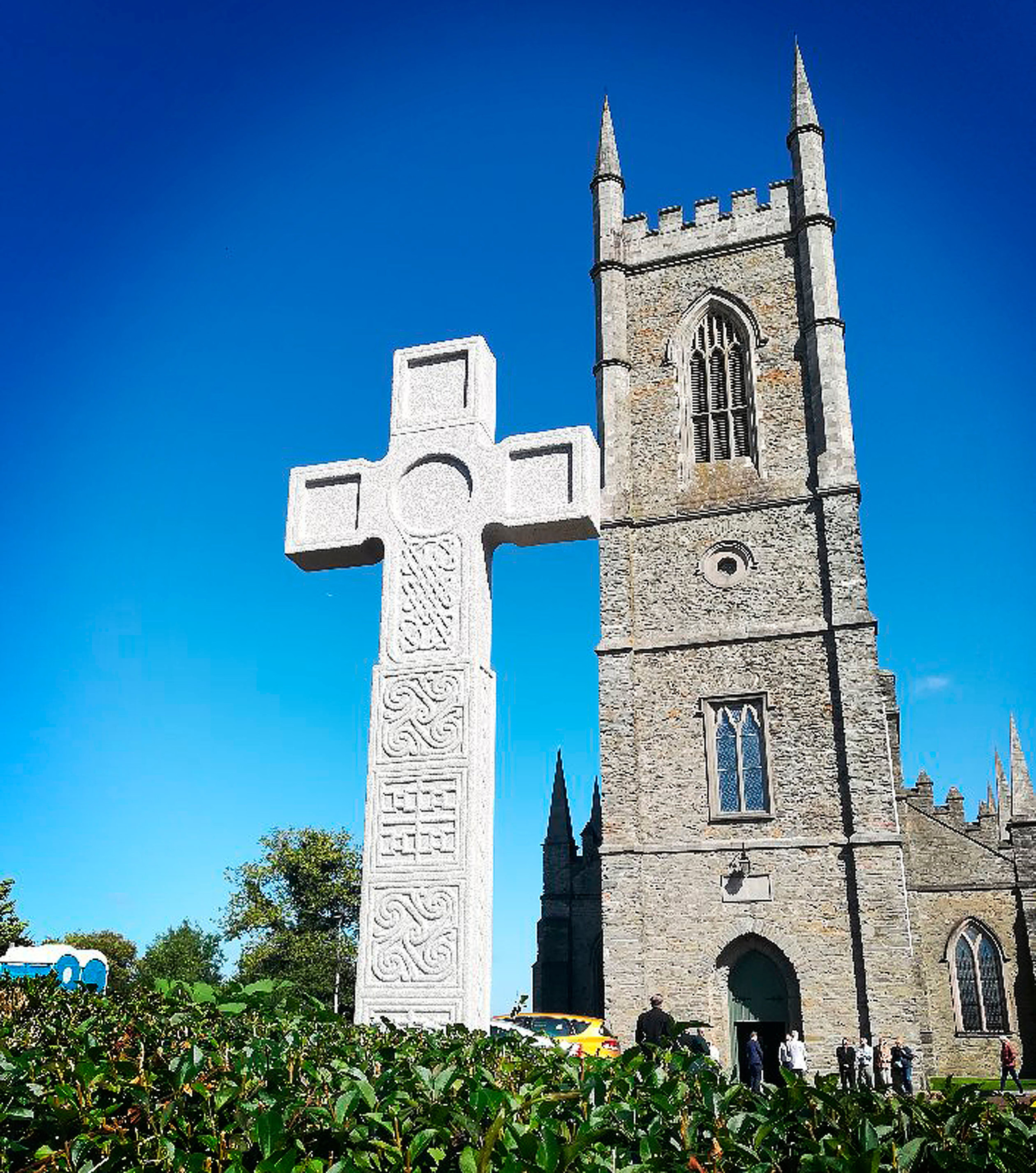
The Duncairn has been a beacon for church and community relations in north Belfast. Its director, the Rev Bill Shaw, explains its work and why visible friendships between church leaders are such a powerful picture of reconciliation
Jean Vanier, founder of the International Federation of L'Arche Communities, recently celebrated his 90th birthday Carolyn Whitney-Brown writes in America, a Jesuit journal.
The ferocity of the Vatican’s civil war has less to do with theology or justice than petty office politics, Andrew Brown writes in Foreign Policy
After a summer of controversy surrounding the leader of the Labour Party and anti-semitism, a Christian lawyer and political commentator looks at the story so far, and suggests a way forward
Ten weeks after Pope Francis visited the World Council of Churches (WCC) in Geneva as “a pilgrim in quest of unity and peace,” church leaders of different churches representing the WCC and the Roman Catholic Church are meeting in Germany this week to continue their task of “walking, praying and working together.”
The World Council of Churches completed its first Assembly 70 years ago this month. Reform writers share their reflections
This is an edited translation of an address given on 20 July 2017, the 73rd anniversary of the bomb plot against Adolf Hitler, at the Adam von Trott Foundation in Imshausen, Germany. It recalls the contacts of Willem A. Visser 't Hooft, the first general secretary of the World Council of Churches, with the German resistance during the Second World War, discusses the relevance of their vision of the post‐war future to contemporary politics, and highlights the significance of Visser 't Hooft for the ecumenical movement.
Churches in Ireland will join Christians throughout the world in celebrating Creation Time from 1st September until the Feast of St Francis on 4th October 2018.
The archbishop Dr Nathan Söderblom, an ecumenical forerunner and messenger of peace in war-torn Europe, challenged a deeply divided Christianity 100 years ago. Against all odds, the Stockholm Conference on Life and Work in 1925 gathered church leaders at a scale the world had not seen since Nicaea 1600 years earlier. And it did not end there, Tore Samuelsson, writes